How Dental Crowns in Oxnard CA Help Save Natural Teeth

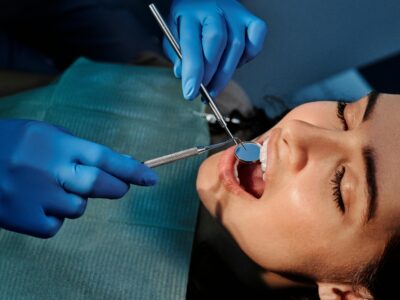
A healthy natural tooth is almost always worth preserving. That principle guides much of restorative dentistry, and it is the reason crowns remain such an important treatment. When a tooth is cracked, heavily filled, worn down, or weakened after root canal therapy, the goal is often not to remove it, but to reinforce it before the damage becomes irreversible.
For many patients exploring Dental Crowns Oxnard CA, the common assumption is that a crown is simply a cosmetic cap. In practice, it is much more than that. A well-made crown protects vulnerable tooth structure, restores biting strength, and can add years, sometimes many years, to the life of a natural tooth. It often stands between a tooth that can be saved and a tooth that eventually needs extraction.
That distinction matters. Replacing a missing tooth is possible, but replacement is rarely simpler than preservation. Bridges, implants, and removable appliances all have their place, yet none of them perfectly replicate the biology of the tooth you were born with. Keeping the natural root in the jaw helps maintain bone, supports bite balance, and usually feels more familiar in day-to-day life.
Why some teeth need more than a filling
Small cavities and modest areas of damage can often be treated with a filling. The problem arises when too Dental Crowns Oxnard CA much tooth structure has already been lost. That loss may come from decay, an old filling that has broken down, a fracture, chronic grinding, or simple wear over decades of use.
At that point, a filling can become the dental equivalent of patching a crumbling wall with fresh paint. It may cover the issue, but it does not necessarily restore strength. Large fillings, especially on back teeth, can leave thin cusps that flex under chewing pressure. Over time those weakened walls can crack. Once the crack extends deep enough, the treatment options become more limited, more expensive, and less predictable.
A crown covers the visible part of the tooth and redistributes chewing forces more evenly. Instead of leaving the tooth vulnerable around a large central filling, the crown braces the remaining structure. That is one reason dentists often recommend crowns for molars with extensive old fillings. It is not a push toward a bigger procedure for its own sake. It is usually an effort to prevent a much bigger problem later.
In a busy practice, it is common to see two versions of the same story. One patient comes in soon after a tooth breaks or starts showing signs of structural weakness. The tooth gets crowned, the nerve stays Dental Crowns Oxnard CA healthy, and the patient moves on. Another waits until the tooth fractures below the gumline or develops severe pain. By then, saving it may require a root canal, crown lengthening, or extraction. Timing changes everything.
What a crown actually does
A crown is a custom restoration that fits over a prepared tooth. Its job is both protective and functional. It restores shape, helps the tooth handle chewing forces, and seals vulnerable surfaces from further breakdown. On front teeth, it can also improve appearance when discoloration or damage cannot be corrected conservatively.
The strongest case for a crown is often structural. A tooth can survive with cosmetic flaws. It struggles when its walls are thin, cracked, or undermined by decay. The crown acts like a fitted shell, but that description understates the precision involved. A good crown is designed around bite forces, gum contours, neighboring teeth, and the condition of the remaining core. When those details are right, the tooth feels natural and functions reliably.
Not every damaged tooth needs a crown, and not every crown solves every problem. If decay extends too far below the gumline, if the root is fractured, or if periodontal support is poor, a crown may not be enough. The treatment has to be built on sound biology. That is where judgment matters more than the restoration itself.
The situations where crowns save teeth most often
Some teeth are obvious candidates for crowns. Others fall into a gray area where the decision depends on how much healthy structure remains and how the patient uses the tooth. A person who clenches hard at night places very different demands on a restoration than someone with a light bite.
Dentists often recommend crowns in cases like these:
- A tooth has a large cavity or an old filling that takes up a substantial portion of the crown.
- A tooth has cracked, chipped significantly, or lost a cusp.
- A root canal has already been completed, especially on a back tooth.
- Severe wear from grinding has shortened or weakened the tooth.
- A tooth needs major shape or color correction that simpler restorations cannot predictably provide.
Each of these situations shares one feature, the remaining tooth is no longer strong enough to be trusted without reinforcement.
Take a root canal tooth as an example. Once the pulp is removed, the tooth can continue functioning very well, but it is often more brittle than before, especially if a lot of internal structure was removed to access the canals. On a molar, where chewing pressure is high, a crown frequently becomes the long-term protective step that keeps the tooth from splitting later.
Crowns and cracked teeth, where early action matters
Cracks deserve special attention because they can be deceptively subtle. A patient may describe brief pain when chewing granola, a twinge on release after biting, or sensitivity that comes and goes. X-rays do not always reveal the crack clearly. Sometimes the tooth looks almost normal until it is tested carefully.
When a crack is limited to the crown portion of the tooth, a crown can bind the tooth together and reduce flexing. That can stabilize the situation and prevent the crack from propagating. But if the crack already extends deeply into the root, the outcome changes. In those cases, the crown may not save the tooth because the structural failure is too advanced.
This is one of the strongest arguments for not delaying evaluation. Patients often adapt to symptoms, chew on the other side, and hope the discomfort settles down. Occasionally it does. Just as often, the tooth worsens quietly until a simple crown case becomes a root canal and crown case, or an extraction.
Why preserving a natural tooth is usually the better path
The appeal of extraction can be emotional as much as practical. If a tooth has been troublesome, some patients just want it gone. That response is understandable, but it is worth pausing before making an irreversible decision.
A natural tooth has a periodontal ligament, which helps with pressure sensing and normal bite feedback. It occupies a precise position in the arch that your muscles and joints have adapted to over time. It also helps preserve surrounding bone through functional stimulation. Once a tooth is removed, the body begins remodeling that area. Even with excellent replacement options, there is almost always some degree of biological compromise.
A crown does not make a tooth immortal, but it often allows that tooth to continue serving well for many years. Patients are sometimes surprised by how durable a crowned tooth can be when decay is controlled, the bite is stable, and home care is consistent. It is not unusual for a crown to last a decade or longer, though lifespan varies widely depending on materials, habits, and the starting condition of the tooth.
This is also why choosing between a crown and extraction should never be reduced to immediate cost alone. The less expensive option today may lead to a more complex series of treatments later. Saving the tooth can be the more economical choice over time, especially if it helps preserve adjacent teeth and bite harmony.
Materials matter, but fit and preparation matter more
Patients often ask whether porcelain, zirconia, porcelain fused to metal, or gold is best. The truthful answer is that the right material depends on location, bite forces, esthetic goals, and how much room exists between the teeth. Each material has strengths and limitations.
All-ceramic crowns can look excellent, particularly in visible areas. Zirconia is valued for strength and has become common for posterior teeth. Porcelain fused to metal still works well in many settings, though it can sometimes show a dark margin over time. Gold remains one of the most forgiving and durable restorative materials in posterior dentistry, even if fewer patients choose it for appearance reasons.
Still, the real determinant of success is often not the material name on the lab slip. It is whether the tooth was prepared conservatively but adequately, whether the margins are clean and accessible, whether the bite was adjusted properly, and whether the crown seals the tooth without open edges or excessive cement. A beautifully marketed material cannot compensate for poor fit.
That point gets overlooked in online searches. Someone looking for Dental Crowns Oxnard CA may compare prices or same-day convenience, but quality lives in the details. The precision of the impression or scan, the design of the crown, the health of the gums around it, and the final bite adjustment all affect how long that restoration serves the patient.
What the process usually looks like
Most crowns are done over two visits, though some offices offer same-day crowns for selected cases. The exact workflow varies, but the general sequence is straightforward. The tooth is evaluated, decay or compromised filling material is removed, and the remaining structure is shaped to receive the crown. If not enough solid tooth remains, a build-up may be placed to create a stable foundation.
After preparation, the dentist records the shape of the tooth and surrounding bite, either with a digital scan or a conventional impression. A temporary crown protects the tooth until the final one is ready. At the seating visit, the final crown is tried in, checked for fit, contacts, color when relevant, and bite, then cemented or bonded in place.
Patients often ask what is normal afterward. Mild soreness at the gumline can happen for a few days. Cold sensitivity may occur briefly, especially if the tooth was already irritated beforehand. What should not be ignored is a bite that feels high, pain when chewing that does not improve, or floss shredding between teeth. Small adjustments early can prevent larger problems.
When a crown is not the right answer
Good dentistry is not about putting crowns on every damaged tooth. There are situations where another treatment is better, and others where a crown would only postpone failure.
If the issue is small and localized, an onlay or bonded filling may preserve more healthy structure. If the crack extends into the root, extraction may be the only predictable path. If active gum disease is causing tooth mobility, periodontal treatment needs to come first. If decay extends too far below the bone, the tooth may not be restorable without additional procedures, and sometimes not even then.
Patients appreciate honest boundaries. A crown should be recommended because it offers a reasonable prognosis, not because it fills a procedural slot. The best treatment plans leave room for nuance. Some teeth are clearly worth investing in. Some are poor candidates no matter how attractive the crown would look on the treatment estimate.
The Oxnard factor, lifestyle, wear, and delayed treatment
In coastal communities like Oxnard, routine dental care can compete with work schedules, commuting, family obligations, and the tendency to postpone treatment until symptoms are impossible to ignore. That delay is one reason restorative needs escalate. A tooth that could have been managed with a crown six months earlier may return as an emergency after a hard tortilla chip, a piece of crusty bread, or nighttime grinding finally exposes the weak point.
There is also a practical local pattern many clinicians notice in active adults, wear. Grinding and clenching often go undiagnosed for years. Patients may not realize they do it, but the signs are familiar, flattened chewing surfaces, tiny craze lines, notching near the gumline, and fractured fillings. In those mouths, crowns can be part of saving natural teeth, but they need to be paired with bite management. A night guard is not glamorous, yet it often protects both the new crown and the rest of the dentition.
That is an important trade-off to discuss. A crown can restore a tooth, but it does not erase the forces that damaged it in the first place. If heavy bite pressure caused the fracture, ignoring that habit invites repeat failures elsewhere.
How to help a crown last
A crown is not a maintenance-free fix. The restoration itself cannot decay, but the tooth underneath still can, especially at the margin where crown meets enamel or root surface. Plaque control matters. So does keeping recall visits, because early recurrent decay around a crown is far easier to manage than decay discovered after it undermines the entire restoration.
The habits that protect crowns are simple, but they are not optional:
- Brush carefully at the gumline where plaque tends to collect around margins.
- Floss daily and make sure the contact area feels smooth, not rough or shredding.
- Use a night guard if you clench or grind.
- Avoid using teeth to open packaging or bite very hard non-food objects.
- Return promptly if the crown feels loose, high, or painful.
Those points sound basic, yet they are where many long-term successes are won or lost. Most failed crowns do not fail dramatically. They fail quietly through leakage, recurrent decay, or cumulative stress.
Questions patients should ask before moving forward
A crown is common treatment, but it still deserves a thoughtful conversation. Patients are better served when they understand not just what is being recommended, but why. A good discussion usually covers how much healthy tooth remains, whether the nerve is healthy, whether a root canal may still become necessary later, what material is being proposed, and how the bite will be protected if grinding is part of the picture.
It also helps to ask about prognosis in plain language. Is the tooth expected to last many years if all goes well, or is the crown being used to buy limited time on a heavily compromised tooth? Both approaches can be reasonable, but they are not the same decision.
That clarity builds trust. Most people can accept treatment when the rationale is concrete. They become hesitant when the recommendation feels generic.
Saving teeth is often about acting before the tooth breaks the rules
Teeth rarely fail all at once. They send signals first. A filling keeps falling out. A sharp edge appears. Cold sensitivity lingers longer than it used to. Chewing on one side starts to feel risky. Those are the moments when a crown can be most valuable, not as a rescue after a catastrophic fracture, but as a preventive reinforcement that keeps the tooth in service.
That is the central role of crowns in modern restorative care. They preserve what remains viable. They allow compromised teeth to function comfortably and efficiently. They reduce the chance that a manageable problem turns into a missing tooth.
For patients considering Dental Crowns Oxnard CA, the key idea is simple. A crown is not only about covering damage you can already see. It is often about preserving the natural tooth structure you cannot afford to lose. When recommended thoughtfully, performed precisely, and supported with good home care, a dental crown can be the treatment that keeps your own tooth healthy, useful, and in place for years to come.
Omni Dental Specialty
1690 E Gonzales Rd
Oxnard, CA 93036, United States
Phone: +1 805-410-9603
FAQ About Dental Crowns Oxnard CA
What is the average cost of a crown in California?
The fee depends on the crown material, tooth condition and any additional treatment. Request an itemized estimate from Omni Dental Specialty after an examination, and confirm insurance benefits before scheduling.
How long do dental crowns last?
Longevity varies with the material, fit, oral hygiene and biting habits. Regular dental reviews help identify wear, damage or decay. A crown does not need replacement solely because it reaches a particular age.
Do teeth go bad under crowns?
Decay can develop in the remaining natural tooth, particularly near the crown margin. Brush with fluoride toothpaste, clean between teeth daily and keep dental appointments. Report new pain or looseness promptly.
Which crown is best for bruxism?
No material suits everyone. Your dentist assesses grinding, tooth position, bite forces and appearance before recommending a crown. A protective appliance may also be recommended to manage stress on the restoration.