How Dental Crowns in Oxnard CA Replace Lost Tooth Structure
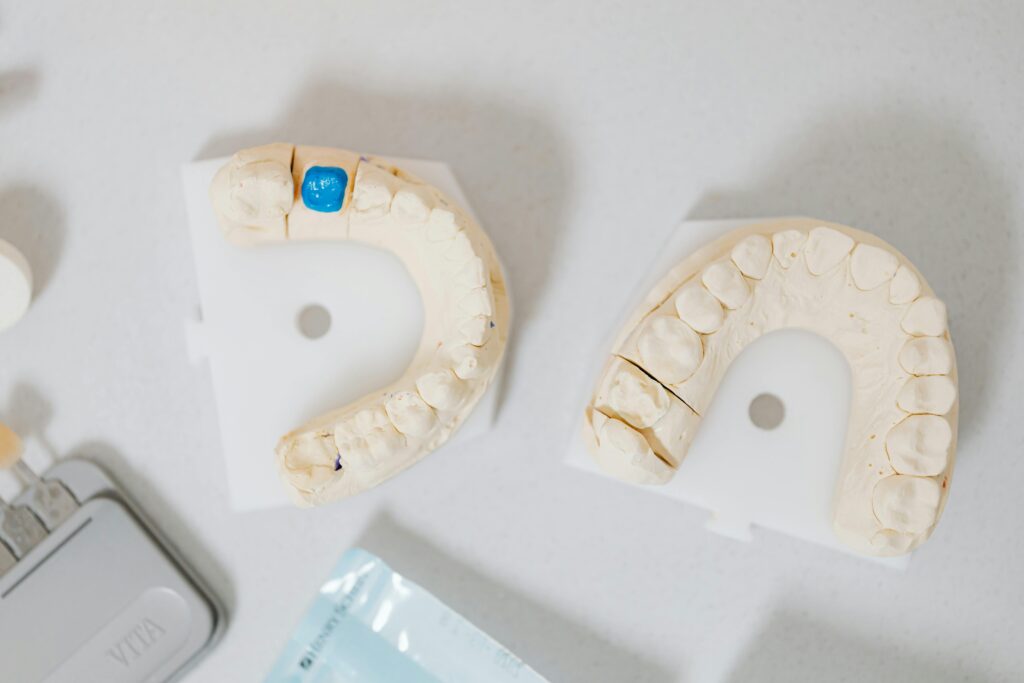
A tooth rarely breaks all at once. More often, it wears down in stages. A small filling grows larger over the years. A crack starts as a faint line that only shows up when you bite on something hard. Decay creeps under an old restoration. Bit by bit, the tooth loses the strength and shape it once had.
That is where crowns earn their reputation. A well-made crown does not simply cover a tooth for cosmetic reasons. It replaces the missing outer structure, restores the tooth’s contours, helps it handle chewing forces again, and protects what remains underneath. For many patients looking into Dental Crowns Oxnard CA, the real question is not whether a crown exists as an option. It is whether the tooth still has enough healthy foundation to support one, and whether a crown is the best long-term answer compared with alternatives.
Understanding how crowns work starts with understanding what has been lost.
What “lost tooth structure” actually means
When dentists talk about lost tooth structure, they are not only referring to a visible chip. A tooth is a layered structure. Enamel forms the hard outer shell. Dentin sits underneath and is slightly softer. In the center is the pulp, which contains nerves and blood supply. A healthy tooth has a very specific architecture. Its cusps and grooves guide chewing. Its walls resist splitting. Its margins near the gumline help seal out bacteria.
Once part of that architecture is gone, the tooth behaves differently.
A back tooth with one small cavity can usually be repaired with a filling because most of its original walls still support each other. But a molar with a large old filling, a fractured cusp, and recurrent decay is in a different category. It may still be present in the mouth, but it is no longer structurally complete. Under biting pressure, the remaining tooth walls flex. Over time, that flexing can turn into a full crack.
That is why crowns are so often recommended after extensive damage. They are designed to replace the lost outer shell in a way that a direct filling often cannot.
Why fillings are sometimes not enough
Patients understandably prefer the least invasive option. If a filling can do the job, that is usually ideal. Fillings are conservative, efficient, and effective for many cases. The problem is that a filling replaces only the missing area. It does not wrap around the tooth or brace weakened cusps.
Think of an old wooden barrel with a few cracked staves. Patching the cracks may help for a while, but if the barrel’s outer ring is failing, the structure still spreads under pressure. A crown works more like a custom-fitted cap that reinforces the whole visible portion of the tooth.
This distinction matters most in teeth that do heavy work. Molars can absorb remarkable force. Depending on the person, chewing pressure in the back of the mouth can be substantial, and it is often worse in people who clench or grind. If a tooth has already lost a significant percentage of its outer structure, a filling may become a repeated repair instead of a durable solution.
In practice, dentists usually weigh how much natural tooth remains, where the missing parts are located, whether cracks are present, whether the tooth has had root canal treatment, and how the patient bites. A crown is not always the answer, but when a tooth has become fragile, it is often the restoration that best restores function.
How a crown replaces the missing portion of the tooth
A crown is a custom restoration that covers the visible part of the tooth above the gumline. Once cemented in place, it becomes the new outer surface. That surface is shaped to restore the tooth’s size, anatomy, and contact with neighboring teeth.
The key idea is simple. A crown takes over the role of the damaged outer shell.
When properly planned, it does several jobs at once. It redistributes biting forces, splints weakened cusps together, seals vulnerable areas, and restores a chewing surface that is both functional and comfortable. It also protects exposed dentin, which is more prone to wear and sensitivity than enamel.
This is especially important after root canal therapy. A tooth that has needed a root canal is often not “dead” in the dramatic way patients imagine, but it may be structurally compromised. The access opening through the biting surface removes material, and the tooth often had major decay or a deep crack to begin with. A crown restores that outer form and helps reduce the chance of fracture.
The replacement is not a literal regrowth of natural tooth tissue. Nothing man-made behaves exactly like enamel and dentin. Dental Crowns Oxnard CA But a good crown can replicate the tooth’s form and function closely enough that most people stop noticing it in day-to-day life.
When a dentist starts thinking crown instead of filling
There is no single magic number that says a tooth must have a crown. Dentistry involves judgment. Two teeth can look similar on an X-ray and still need different treatment because of where the damage sits, how the patient bites, and whether hidden cracks are present.
Still, some patterns come up again and again in practice.
- A tooth has a large filling that already takes up much of the chewing surface.
- One or more cusps are cracked, thin, or broken off.
- Decay extends around old restorations and leaves limited strong enamel behind.
- The tooth has had root canal treatment and now needs full coverage for protection.
- The tooth is badly worn from grinding, acid erosion, or years of heavy use.
Sometimes the decision becomes obvious only after old filling material and decay are removed. A tooth that looked manageable from the outside may reveal undermined enamel or a deep fracture line. Good treatment planning leaves room for that reality. Experienced dentists in Oxnard and elsewhere often discuss this possibility with patients before starting, so the treatment can adapt to what is actually found.
The preparation process, and why removing some tooth helps save the rest
One point often confuses patients. If a tooth is already weakened, why would a dentist remove additional tooth structure to prepare it for a crown?
The answer is that a crown needs room and a stable shape to fit properly. The dentist carefully reduces the outer surface so the final crown is not bulky and can seat with precise margins. This preparation also removes unsupported or weak areas that would not survive under the crown. What remains should be the strongest sound structure available.
That preparation is not random drilling. Each surface is shaped with a purpose. Enough reduction is needed to accommodate the chosen material. The walls need an appropriate taper so the crown can seat while still resisting displacement. The edges where the crown meets the tooth, called margins, must be smooth and clean so the restoration can seal well.
After preparation, an impression or digital scan is taken. The temporary crown then protects the tooth while the lab makes the final one. The finished crown is checked for fit, contacts, contour, color if relevant, and bite before it is cemented or bonded in place.
The best crowns are not simply pretty caps. They are precise engineering on a small scale.
Materials matter, but fit matters more
Patients often ask which crown material is “best.” The honest answer is that the best material depends on the tooth, the amount of space available, cosmetic expectations, and the patient’s bite habits.
Porcelain and other ceramic materials are popular because they can look very natural. Zirconia is widely used for its strength and durability, especially in posterior teeth. Porcelain fused to metal is still useful in some cases, though it is less dominant than it once was. Gold and other noble alloys remain excellent functional materials in selected situations, particularly for back teeth where longevity matters more than appearance, though many patients prefer tooth-colored options.
What people sometimes overlook is that material choice is only part of the outcome. A beautifully marketed material placed with poor margins or an imprecise bite can still fail. By contrast, a well-designed crown made from a sound material and adjusted properly can serve for many years.
That is one reason the conversation around Dental Crowns Oxnard CA should focus on planning, diagnosis, and execution, not just the brand name of the ceramic.
Why bite design is central to a crown’s success
A crown must do more than fit the tooth. It has to fit the mouth.
Every person has a unique way of closing, chewing, and sliding the teeth together. If a crown is even slightly high, the patient may feel it immediately. In some cases, the problem is subtle at first but shows up later as soreness, clenching, or sensitivity. Poor contacts with neighboring teeth can trap food. Wrong contours near the gums can make flossing difficult and encourage inflammation.
This is where experience shows. A crown is successful when it disappears into the patient’s daily function. They can bite, chew, floss, and speak without noticing it. That depends on anatomy, polish, contour, and careful bite adjustment.
I have seen patients who assumed their discomfort meant the crown material was wrong, when the real issue was an overcontoured surface collecting plaque at the gumline. I have also seen teeth fracture under old large fillings simply because the cusps were left unsupported for too long. The details matter.
Crowns on front teeth versus back teeth
Crowns do not behave the same way in every location.
Front teeth generally face lower biting force than molars, but aesthetics are far more demanding. The crown has to match adjacent teeth in color, translucency, surface texture, and even the way it reflects light. In those cases, preserving gum architecture and planning the margin location becomes particularly important.
Back teeth are more function-driven. A molar crown must withstand repeated heavy chewing and often greater parafunctional force from grinding. Strength and contour become the main priorities, though appearance still matters.
This distinction changes how dentists approach material selection and preparation design. It also explains why one patient may need a highly esthetic layered ceramic crown on a front Dental Crowns Oxnard CA tooth, while another is better served by monolithic zirconia on a lower molar.
When a crown is not the right answer
Not every damaged tooth should be crowned.
If decay extends too far below the gumline, or if the tooth has fractured deep into the root, there may not be enough solid structure left to support a predictable restoration. In some cases, crown lengthening or orthodontic extrusion can help expose more tooth for retention, but those options depend on anatomy and cost considerations.
If the tooth’s crack runs vertically into the root, extraction may be the only realistic choice. A crown cannot heal a split tooth. It can only protect a tooth that remains restorable.
Likewise, if damage is minor, a filling or onlay may preserve more natural structure and still give an excellent result. Good dentistry is not about placing the biggest restoration possible. It is about using the least invasive option that still holds up under real use.
That judgment is one of the most important parts of treatment planning.
The role of onlays and partial coverage restorations
Between a filling and a full crown, there is a middle ground. Onlays and partial coverage restorations can replace large damaged portions of a tooth while preserving more healthy enamel than a traditional full crown.
These can work very well when the tooth has major loss on the biting surface but still retains strong peripheral walls in the right places. Modern adhesive techniques have made such restorations more predictable than they were decades ago.
Still, they are not interchangeable with crowns. If the remaining walls are too thin, too cracked, or too compromised, preserving them may not actually serve the patient well. A full crown may offer more reliable reinforcement. The right choice depends on the structural map of that specific tooth.
What patients in Oxnard often want to know about longevity
One of the first practical questions is how long a crown lasts. There is no universal expiration date. Some crowns serve well for well over a decade, and some last much longer. Others need replacement sooner because of decay at the margin, cement failure, fracture, gum changes, or heavy grinding.
Longevity depends on several factors working together. The tooth must have been restorable in the first place. The crown needs excellent fit and bite. Home care has to be consistent. Diet matters, especially frequent sugar exposure. Night grinding can shorten the life of both natural teeth and restorations.
The location also matters. Front teeth often experience different forces than molars. Patients who chew ice, crack nuts with their teeth, or use teeth as tools create very different risk conditions from those who do not.
That is why responsible dentists avoid promising a specific number of years. Better to think in terms of risk management and maintenance than guarantees.
Caring for a crown so the underlying tooth stays healthy
A crown cannot decay, but the tooth underneath absolutely can, especially at the margin where crown and tooth meet. Gum inflammation around crowns is also common when plaque control is poor or contours make cleaning more difficult.
The routine is straightforward, but it has to be consistent.
- Brush thoroughly at the gumline twice daily.
- Floss carefully around the crown every day.
- Use a night guard if you clench or grind.
- Keep regular dental exams and professional cleanings.
- Report lingering sensitivity, looseness, or bite changes early.
Patients sometimes assume a crowned tooth is “fixed forever” and no longer needs close attention. In reality, crowned teeth often deserve more respect, not less. They have already gone through significant repair, and preserving the remaining tooth structure is the whole point.
What the temporary crown period can reveal
Temporary crowns are often treated as a simple waiting phase, but they can tell both dentist and patient a lot. If the temporary feels too bulky, catches floss, or hits first in the bite, those details guide refinement of the final crown. If the tooth stays highly sensitive during the temporary phase, the dentist may need to reassess the nerve status or the margin.
Patients should not be surprised if the temporary feels less polished or slightly different. It is a short-term restoration. Still, it should protect the tooth, allow normal function, and give a preview of shape and comfort. Communication during this stage improves the final result.
Cost, value, and the temptation to delay
Crowns are more costly than fillings, and that reality shapes decisions. It is reasonable for patients to weigh timing, insurance, and alternatives. The problem is that postponing a needed crown on a heavily weakened tooth can turn a manageable situation into a more expensive one.
A tooth that might have been saved with a crown can fracture to the point of requiring root canal treatment, extraction, implant placement, or a bridge. That does not mean every recommended crown is urgent on day one. It does mean the structural risk should be understood clearly.
I have seen patients do very well by monitoring a questionable tooth for a period with informed caution. I have also seen large, cracked fillings fail over a holiday weekend, usually when the patient bites into something ordinary and says, “I didn’t think it would happen that fast.” Teeth often tolerate damage until they do not.
Choosing a provider for Dental Crowns Oxnard CA
For patients comparing options for Dental Crowns Oxnard CA, the quality of the evaluation matters as much as the restoration itself. A useful consultation should explain why the tooth is losing strength, what alternatives exist, what the limits are, and how the bite and gum health factor into the plan.
The best discussions are specific. Not “you need a crown because the tooth is bad,” but “this filling now occupies most of the biting surface, the lingual cusp is undermined, and the crack line is extending through a thin wall, so a filling is unlikely to hold up.” That level of explanation builds trust because it is grounded in observable details.
Dentistry is full of gray zones. A thoughtful clinician should be comfortable discussing those gray zones with you.
The bigger point behind the restoration
A crown is not only about replacing what is visible. It is about preserving what remains. When a tooth loses enough structure, the issue is no longer cosmetic or even just decay repair. It becomes structural engineering in a wet, high-force environment that has to function every day.
That is why crowns remain such a foundational treatment. When done well, they restore shape, strength, and confidence in a tooth that would otherwise remain vulnerable. They do not make the tooth brand new, and they are not the answer in every case. But for a tooth that has lost too much of its natural shell to stand on its own, a crown can be the difference between years of service and a fracture that ends the conversation entirely.
For many people exploring Dental Crowns Oxnard CA, that is the real value. A crown is not just a cover. It is a carefully designed replacement for lost tooth structure, built to help the tooth work again under the demands of everyday life.
Omni Dental Specialty
1690 E Gonzales Rd
Oxnard, CA 93036, United States
Phone: +1 805-410-9603
FAQ About Dental Crowns Oxnard CA
What is the average cost of a crown in California?
The fee depends on the crown material, tooth condition and any additional treatment. Request an itemized estimate from Omni Dental Specialty after an examination, and confirm insurance benefits before scheduling.
How long do dental crowns last?
Longevity varies with the material, fit, oral hygiene and biting habits. Regular dental reviews help identify wear, damage or decay. A crown does not need replacement solely because it reaches a particular age.
Do teeth go bad under crowns?
Decay can develop in the remaining natural tooth, particularly near the crown margin. Brush with fluoride toothpaste, clean between teeth daily and keep dental appointments. Report new pain or looseness promptly.
Which crown is best for bruxism?
No material suits everyone. Your dentist assesses grinding, tooth position, bite forces and appearance before recommending a crown. A protective appliance may also be recommended to manage stress on the restoration.