How to Deal with Discomfort After Getting Dental Crowns

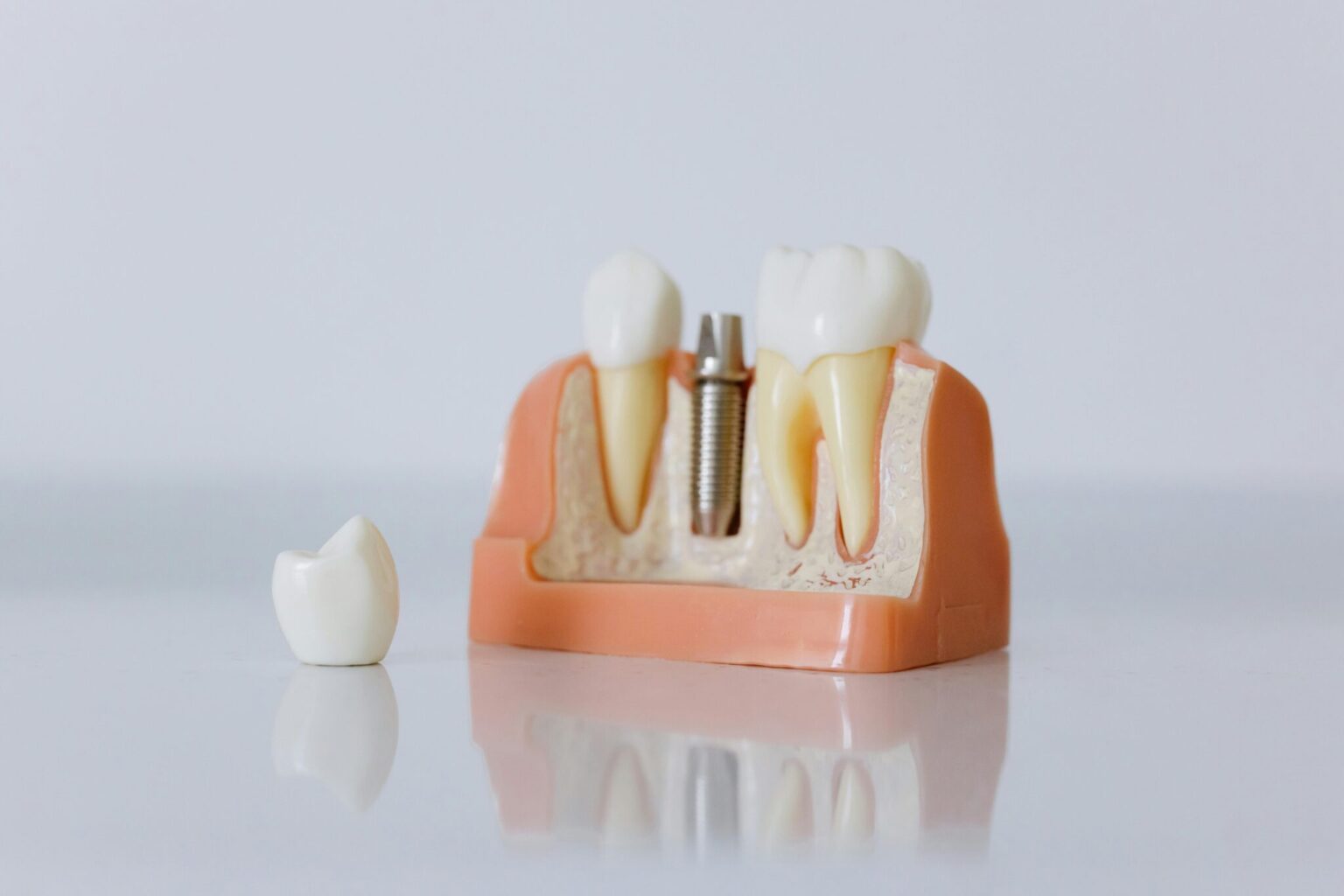
Getting dental crowns often solves a bigger problem than most people realize. A crown protects a tooth that has already been weakened by decay, fracture, large fillings, grinding, or root canal treatment. It restores shape and function, and in many cases it prevents the next stage of trouble, which is usually pain, breakage, or tooth loss. Even so, many patients are caught off guard by what happens after the appointment. The crown is in place, the tooth looks better, but the mouth does not feel quite normal yet.
That period of adjustment can be unsettling. A little soreness when biting, tenderness along the gumline, temperature sensitivity, or the strange sensation that the tooth is somehow "too high" are all common complaints in the first days after placement. Most of the time, these symptoms settle with minor care and a bit of patience. Sometimes, though, discomfort points to an issue that needs the dentist's attention. Knowing the difference matters.
I have seen the same pattern over and over. The smooth, polished final result in the mirror creates an expectation that the tooth should feel perfect right away. But teeth, gums, jaw muscles, and bite patterns are not machine parts. They are living tissues with memory, inflammation, and very little tolerance for imbalance. A crown can fit beautifully and still need a short settling-in period. The goal is not to ignore discomfort. The goal is to manage the normal kind well and recognize the abnormal kind early.
What discomfort after dental crowns usually feels like
The most common post-crown symptoms are fairly specific. The tooth may feel tender when you chew firmer foods. Cold drinks might trigger a quick zing. The gums around the crowned tooth can feel bruised or slightly swollen, especially if the area was retracted during the procedure to capture a clean impression or digital scan. If the dentist adjusted your bite several times, your jaw may feel tired too.
That said, the exact type of discomfort depends on what the tooth went through before the crown. A tooth that had deep decay near the nerve is more likely to be temperature-sensitive afterward. A tooth that needed major reshaping may feel sore from the procedure itself. A molar that has been protecting a cracked cusp for months often comes with surrounding muscle tension from subconscious clenching. Once the crown changes the bite surface, those muscles may need a little time to stop guarding.
It also matters whether you received a temporary crown first. Temporary materials are useful, but they are not as precise or durable as the final restoration. People often report tenderness, food catching, temperature sensitivity, or a vague unstable feeling while wearing the temporary. Some discomfort disappears the day the permanent crown is cemented. Other discomfort only becomes noticeable after the numbness wears off and the final bite pressure returns.
The first 48 hours are often the most telling
The day of the procedure is not always a reliable guide. Local anesthetic can mask pressure points. Adrenaline from the numbing injection can leave tissues feeling odd for a few hours. If your mouth was open for a long appointment, the jaw joints and chewing muscles may complain before the tooth does.
By the next day, you usually have a clearer picture. Mild soreness when chewing on that side, especially after a long restorative appointment, is common. Gum tenderness can linger for several days. Temperature sensitivity may come and go, particularly with cold foods. What should gradually happen is a slow easing, not a steady worsening.
Patients often ask how long this "normal" phase lasts. There is no single number that fits everyone, but mild symptoms often improve noticeably within a few days and continue settling over one to two weeks. Some teeth, especially those with heavy prior work or borderline nerve irritation, can remain mildly sensitive a bit longer. The trend matters more than the exact calendar. Better every few days is reassuring. Sharper, more frequent, or more intense pain is not.
Why a new crown can feel uncomfortable even when it is technically well made
A crown changes more than the visible part of a tooth. It changes how forces travel through that tooth when you bite and chew. It changes how food slides across the contact point. It changes the way the opposing tooth meets it. If the old tooth structure was worn down, cracked, or unstable, the new shape can feel unfamiliar simply because it is healthier and more anatomically complete than what your mouth had adapted to.
There is also a simple biological reason for post-crown sensitivity. To place a crown, the dentist has to prepare the tooth by removing a layer of enamel and sometimes existing filling material. Even when done carefully, that procedure can irritate the inner tooth. Dentin, which lies beneath enamel, contains microscopic tubules that communicate with the nerve. If those tubules are stimulated by temperature, air, or pressure, sensitivity can follow.
The gum tissue deserves equal attention. A well-fitting crown should respect the gumline, but the process of shaping the tooth, controlling moisture, and placing the restoration can still leave the surrounding tissue tender for a few days. Patients sometimes assume gum soreness means the crown is wrong. More often, it means the tissue was manipulated during treatment and now needs a short recovery period.
The bite is the first thing to suspect when chewing hurts
If I had to choose the single most common reason a new crown stays uncomfortable, it would be bite imbalance. A crown that is even a fraction too high can create outsized symptoms. Teeth are remarkably sensitive to pressure. What looks perfect to the eye may still be taking too much force during chewing or when your teeth come together at rest.
The classic description is, "It hits first," or, "That tooth feels taller." Patients may notice they avoid chewing on that side, or they wake up with soreness in the crowned tooth even though they were fine at bedtime. If you clench or grind at night, a high spot can become much more irritating because the tooth receives hours of repeated force.
This is one of the easier problems to fix, but it requires a clinical adjustment. Home remedies will not change the bite. Soft foods and over-the-counter pain relief may reduce irritation temporarily, but if the crown is high, the pressure will keep re-triggering the tissue. A small adjustment can make an immediate difference.
One practical point: bite problems do not always feel obvious in the dental chair. Cotton rolls, numbness, and the unnatural act of biting on articulating paper are not the same as chewing dinner. If the tooth feels wrong at home, do not assume you are imagining it. Dentists hear this every day, and a brief recheck is usually worthwhile.
What you can do at home without making things worse
The best home care after getting dental crowns is conservative. People often get into trouble by testing the tooth repeatedly, chewing hard foods to "see if it is fixed," or switching to extreme temperatures because they want to pinpoint the problem. A new crown needs a little peace.
Here are a few sensible measures that help in the early recovery period:
- Chew on the opposite side for a day or two if biting feels tender, especially with crunchy or dense foods.
- Use a soft-bristled toothbrush and clean around the crown gently but thoroughly, because plaque at the gumline can amplify soreness.
- Rinse with warm salt water if the gums feel irritated, particularly after a long procedure.
- Take an over-the-counter pain reliever if you normally tolerate it and it is appropriate for you.
- Avoid sticky candies, ice chewing, and very hard foods while the area is settling.
Those steps sound basic, but they work because they reduce extra stress on tissues that are already inflamed. Most importantly, they avoid the cycle where a sore tooth becomes more sore simply because it keeps getting challenged.
A small caution about flossing: you should floss around a crown, but do it carefully. If the contact feels tight or the gum is tender, slide the floss through and out rather than snapping it back up aggressively. Good crowns are designed to be flossed, but rough technique can irritate the gum and make a minor issue feel larger than it is.
Temperature sensitivity, what is common and what is not
Cold sensitivity after a crown is common enough that dentists usually warn patients about it in advance. A brief sharp sensation with ice water or a cold dessert can happen because the tooth has been prepared and the nerve is temporarily irritated. Often the sensitivity fades over days or weeks as the tooth calms down.
Heat sensitivity deserves more attention. A tooth that throbs with hot coffee or feels relieved by cold can be signaling deeper nerve inflammation. That does not automatically mean root canal treatment is needed, but it raises the level of concern. Duration matters too. A quick sting that disappears is different from an ache that lingers for minutes after the temperature trigger is gone.
Patients sometimes describe "random" zings that occur without food or drink. If they are infrequent and improving, they may still fit the normal healing window. If they become more frequent, wake you at night, or progress into spontaneous throbbing, the tooth should be re-evaluated. A crown does not make a tooth immune to nerve problems. In fact, a tooth that needed a crown was often already under stress before treatment began.
Gum soreness around the crown margin
Gum discomfort can be deceptively bothersome because the tooth itself may feel fine. You might notice tenderness when brushing, a puffy feeling at the gumline, or mild bleeding the first few times you clean the area. This often improves once the tissue recovers from the procedure and plaque is kept under control.
Where people run into problems is when they avoid cleaning around the crown because the gum is sore. Within a day or two, plaque builds up at the margin, the gum becomes more inflamed, and the soreness gets blamed on the crown. It is an understandable mistake. The fix is usually better, not less, hygiene, done gently and consistently.
If the gum remains persistently swollen, traps food, or feels pinched in one spot, the dentist may need to check the contour and contact of the crown. A crown that is bulky near the gumline or has an open contact with the neighboring tooth can create chronic irritation. These are design issues, not hygiene failures, and they should not be ignored if symptoms continue.
Jaw soreness may have little to do with the tooth itself
After a long crown appointment, many people assume all discomfort comes from the treated tooth. Often that is only part of the story. Holding your mouth open wide for a prolonged period can aggravate the jaw joints and chewing muscles, especially if you already clench, grind, or have a history of temporomandibular joint symptoms.
This kind of soreness tends to feel broad rather than pinpoint. You may feel it near the ear, along the cheek, or under the jaw angle. Yawning can be tender. Biting may feel awkward not because the crown is high, but because the muscles are tired and guarded.
Supportive care helps here. Softer foods for a day or two, a warm compress on the jaw muscles, and being mindful not to chew gum or clench can settle things down. If the discomfort is centered in the muscles and improving, that is reassuring. If it is clearly isolated to the crowned tooth and worse with pressure, the bite should still be checked.
Temporary crowns deserve special mention
Temporary crowns are useful, but they have limitations that patients should understand. They are more prone to minor leakage, rough edges, shifting, and sensitivity than final crowns. Their cement is meant to be removable. Their fit is functional, not perfect. So if you are uncomfortable while wearing a temporary, that discomfort may not tell the full story of how the permanent crown will feel.
At the same time, do not dismiss severe symptoms just because the crown is temporary. Significant bite pain, spontaneous throbbing, or a temporary that repeatedly comes off should be addressed. A temporary crown that is loose or fractured can expose the prepared tooth and make sensitivity much worse.
There is also a trap here that I have seen many times. A patient "babies" a temporary for two or three weeks, barely chewing on that side at all. Then the permanent crown is placed, they go straight back to nuts, crusty bread, or steak, and the tooth gets overloaded immediately. It is smarter to resume normal chewing gradually, especially if the tooth had a large amount of prior damage.
When discomfort points to a problem that needs prompt attention
Some symptoms are worth watching. Others are worth calling about right away. The line is not always dramatic, but there are patterns that matter.
Seek a dental recheck soon if you notice any of the following:
- The crowned tooth feels too high or hits before the others when you bite.
- Pain is getting worse after several days instead of easing.
- Heat triggers lingering pain, or the tooth throbs on its own.
- You cannot chew on the tooth at all because pressure causes sharp pain.
- The crown feels loose, food packs around it, or the gum stays significantly swollen.
These are practical red flags, not worst-case predictions. Many of them lead to simple fixes such as a bite adjustment, polishing a rough margin, or evaluating whether the nerve was already more compromised than it first appeared. The value of calling early is that small issues are easier to sort out before the tooth and surrounding tissues become more inflamed.
The possibility of nerve irritation or the need for root canal treatment
This is the outcome patients worry about most, and it is worth discussing plainly. A crown does not cause root canal problems out of nowhere, but a tooth that needs a crown is often already heavily restored, cracked, or affected by deep decay. In some cases, the nerve is close to its limit before the tooth is even prepared. The crown procedure can be the final stressor that reveals the nerve cannot recover.
That does not mean every sensitive crowned tooth is heading for a root canal. Far from it. Many settle uneventfully. The challenge is that early symptoms can overlap. Mild cold sensitivity may improve. Spontaneous throbbing, lingering pain, pain that wakes you, or tenderness that escalates despite a bite adjustment all increase suspicion that the nerve is not healing well.
Patients sometimes feel frustrated by this because the crown itself may be well done. That frustration is understandable. The crown may still be necessary and successful from a restorative standpoint, while the tooth's internal health takes a different course. Dentistry works with living tissue, not inert material, and biology does not always declare its intentions ahead of time.
If your bite feels "off" but the dentist already checked it
This is more common than people expect. A bite can seem acceptable in the office and still feel wrong during real chewing. The reason is simple. Chewing is dynamic. It involves side-to-side movement, varying food textures, saliva, fatigue, and often a clenching pattern that only shows up at night.
If symptoms persist, ask for a focused bite re-evaluation and explain exactly when it hurts. Is it only on hard foods? Is it when you tap your teeth together? Is it when you slide your jaw side to side? Does it flare in the morning? Those details help the dentist identify a contact that standard closing pressure may miss.
One useful patient habit is to describe the feeling without trying to diagnose it. "It feels tall on the inside edge when I chew almonds" is more helpful than "I think the cement failed." Specific sensations, timing, and triggers often point the clinician toward the right fix faster than theories do.
Eating, drinking, and daily habits while the tooth settles
Soft food advice after dental crowns is often given too vaguely. Patients hear "eat gently" and interpret that in wildly different ways. In practical terms, think less about a restrictive menu and more about limiting force concentration. Yogurt, eggs, pasta, rice, fish, cooked vegetables, oatmeal, and softer fruits are all easy options in the first day or two. Dense crusts, hard granola, ice, popcorn kernels, and very sticky candy can wait.
Hot and cold foods are usually fine unless they trigger sensitivity. If they do, choose lukewarm foods for a few days rather than repeatedly provoking the tooth to test it. The same goes for sugary snacks. They can worsen sensitivity if the dentin or gumline is already irritated.
Nighttime habits matter too. People who grind or clench often discover a problem with a new crown faster than anyone else. Morning soreness, cheek tension, or a sense that the crowned tooth feels bruised on waking can all point in that direction. If you already wear a night guard, ask when it is appropriate to resume using it. If you have one that no longer fits because the crown changed the bite, do not force it into place.
The emotional side of post-crown discomfort
Dental discomfort rarely stays physical. It carries anxiety with it. Once someone has invested time, money, and trust in a procedure, every sensation can feel loaded. A tiny zing becomes a sign that something Dental Crowns failed. A sore bite becomes proof that the crown is wrong. That worry often leads to constant checking, and constant checking keeps Dental Crowns the area irritated.
A calmer approach helps. Pay attention, yes, but do it at intervals rather than every few minutes. Notice whether symptoms are improving across days, not whether the tooth feels identical from breakfast to lunch. Healing is not perfectly linear. Many teeth feel better overall while still having occasional moments of sensitivity.
There is also value in not comparing your recovery to someone else's. One patient can get a crown on a relatively straightforward premolar and feel normal by dinner. Another can have a heavily restored molar near the nerve and need two weeks before chewing feels natural again. The procedures may carry the same name while the biological reality is very different.
When things settle, what "normal" should feel like
A well-functioning crown should eventually disappear into the background. You should be able to chew on it without bracing. Floss should pass with a clean, controlled snap, not shred or stick. The gum should look calm. Hot and cold should feel ordinary, or close to it. Most patients do not describe a healthy crown as feeling "special." They stop noticing it.
That endpoint is worth remembering during the adjustment period. Dental crowns are not just cosmetic caps. They are load-bearing restorations in a wet, high-pressure environment, attached to living teeth and surrounded by tissues that react to very small changes. A short stretch of discomfort does not mean something has gone wrong. It often means the mouth is adapting and the tissues are settling.
Still, the rule I trust most is simple. If the discomfort is mild and steadily fading, supportive home care and patience usually do the job. If the discomfort is sharp, worsening, or making you avoid chewing altogether, ask your dentist to look at it. The right response is rarely dramatic. It is usually timely, specific, and practical, which is exactly how most crown problems get solved.
Omni Dental Specialty
1690 E Gonzales Rd, Oxnard, CA 93036, United States
+1 805-410-9603
FAQ About Dental Crowns
How long do crowns last on teeth?
A dental crown often lasts about five to fifteen years, although some last longer. Material, the underlying tooth, oral hygiene and grinding habits affect longevity. Regular dental examinations help identify wear, decay or a loose crown; no lifespan is guaranteed.
How much does a tooth crown cost?
There is no single price for every crown. Material, laboratory work, the condition of the tooth and any additional treatment affect the fee. Ask for a written estimate and confirm your insurance benefits, exclusions and out-of-pocket costs before treatment.
What is the downside of crowns on teeth?
A conventional crown usually requires irreversible removal of some tooth structure. Possible problems include sensitivity, chipping, loosening and decay at the crown margin; some teeth later need root canal treatment. Discuss your tooth's condition, material choices and suitable alternatives with your dentist.